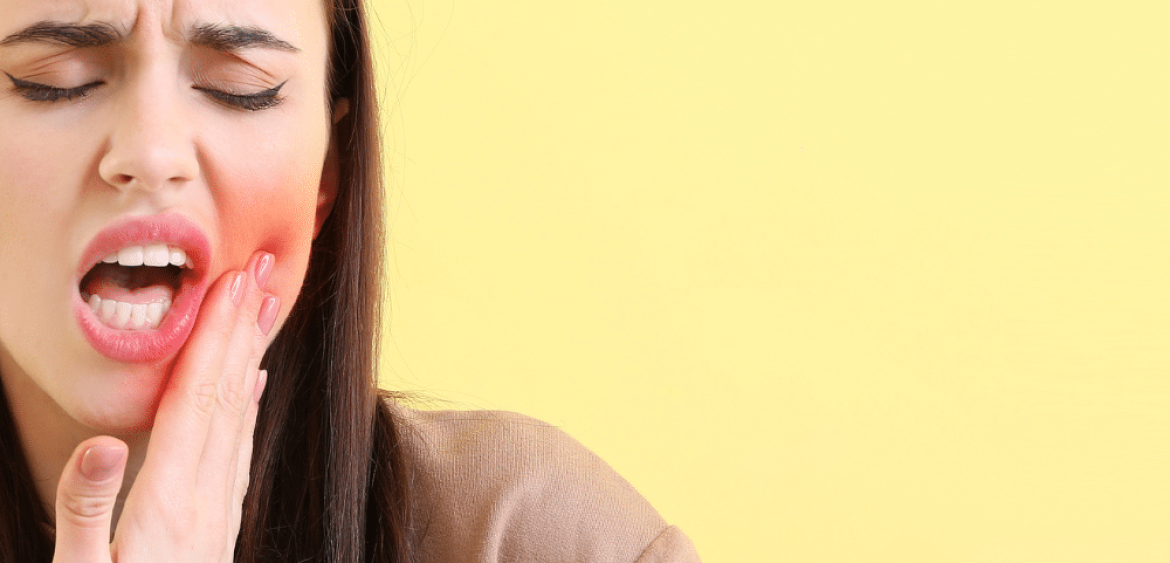
Quick Summary: If you have a dental emergency at night, first decide whether it needs immediate care or can wait until morning. Severe swelling, bleeding, fever, chills, broken facial bones, a knocked-out tooth, extreme pain, or trouble opening your mouth should be treated urgently. For less severe pain, rinse with warm salt water, use a cold compress, take appropriate over-the-counter pain medication, avoid irritating foods, gather insurance and medication information, and call an emergency dentist as soon as care is available.
Last Updated: 6/12/2026
Are you experiencing a dental emergency at night? Immediately proceed with the following steps:
- Visit your local hospital for overnight dental emergencies (occurring between 5 AM and 9 AM).
- Call your local walk-in dentist’s office if you can wait until morning. If you’re in Kansas City, you can contact Dental ER at (816) 360-9500.
- Collect important documents for billing or prescription purposes. This includes your list of prescription medications and proof of dental insurance (if you’re not visiting your general dentist’s office).
Keep reading to learn more about what to do if you have a dental emergency at night.
Am I Having a Dental Emergency?
Dental emergencies require immediate attention, no matter the time of day.
You should still seek non-emergency dental care if you have tooth pain, discomfort, or general questions about your teeth. The primary difference lies in how long you can wait for medical attention. Nighttime dental emergencies require immediate medical attention, while other situations can generally can wait a few hours until morning.
Dental emergencies require immediate attention, even at night. Severe symptoms such as swollen or bleeding gums, unexplained fever or chills, extreme pain from a broken tooth, an injured jaw, broken facial bones, a broken or missing dental implant, a knocked-out tooth, or the inability to chew or open your mouth should be treated urgently.
However, not every dental problem is an emergency. Issues like a painless broken tooth, loose filling, loose bridge, loose crown, broken denture, broken night guard, minor tooth sensitivity, minor tooth decay, wisdom tooth concerns, or general questions about cosmetic or non-essential dental care can often wait until normal office hours.
You should still seek dental care for pain, discomfort, damage, or concerns about your teeth, but the key difference is timing. Nighttime dental emergencies need immediate attention, while less urgent dental issues can usually wait a few hours until morning.
What to Do If You Have a Dental Emergency at Night
| Situation | What to Do | How Urgent It Is |
|---|---|---|
| Severe swelling, bleeding, fever, or chills | Seek emergency treatment right away, especially if symptoms suggest infection or spreading swelling. | Immediate |
| Broken facial bones or injured jaw | Visit a hospital or emergency clinic for evaluation. | Immediate |
| Knocked-out tooth | Call an emergency dentist and get care as quickly as possible. | Immediate |
| Extreme tooth pain from a broken tooth or abscess | Seek urgent dental care, especially if pain is severe, throbbing, or paired with fever or chills. | Urgent |
| Loose filling, bridge, crown, denture, or night guard | Call a dentist when the office opens and avoid chewing on the affected area. | Usually can wait until morning |
| Minor tooth sensitivity or mild soreness | Rinse with warm salt water, use a cold compress if needed, avoid irritating foods, and schedule dental care. | Usually can wait until morning |
| Preparing for a dental visit | Gather your medication list, insurance information, and details about when symptoms or injury started. | Helpful before care |
Causes of Common Dental Emergencies at Night
It may be difficult to objectively gauge the severity of your tooth, mouth, or jaw pain. Instead, try evaluating the type or location of your pain. Then, think back on the activities that lead up to the injury.
Some of the most common causes of after-hours dental emergencies include:
- Cracking a tooth. This often occurs when biting down on hard objects (such as popcorn kernels, for example). It may also result from traumatic jaw injuries from sports, falls, or physical altercations. Pain type: Sudden, immediate.
- Severe tooth abscess. If your tooth pain accompanies fever and chills, you should visit the hospital as soon as possible. You may require an emergency root canal to remove the infected tooth pulp. Pain type: A throbbing, severe pain some people describe as unbearable.
- Bacterial, viral, or fungal infections. If you have a broken, injured, or chipped tooth, you may have inadvertently allowed tiny pathogens inside. Infections can progress into systemic infections (and potentially sepsis) in a matter of days. Pain type: Burning or swelling sensation in the gums, neck, or jaw.
- Broken jaw. Approximately 2.5% of the US population fractures their jaw each year. Failure to treat a fractured mandibular could result in infection, misaligned teeth (sometimes called malunion), and difficulty eating or drinking. Pain type: Numbness, bleeding, and bruising in the face.
Read here if you got your permanent tooth knocked out.
Dealing with Non-Emergency Dental Pain at Home
Don’t think you need overnight emergency dental services?
Here are some ways to mitigate the pain before visiting a dental specialist in the morning:
- Try swishing warm salt water between your teeth. Salt temporarily suppresses bacterial infections and can manage the pain until you reach an emergency specialist.
- Use a cold compress or ice pack wrapped in towels to reduce facial or jaw swelling. Do not chew on ice or place ice directly on your gums or face.
- Take anti-inflammatory medications such as ibuprofen to reduce swelling and pain. Be sure to keep a list of medications and dosages to supply to your dentist.
- Avoid hot, cold, sweet or acidic foods and beverages that may irritate your tooth nerves. If tolerable, try eating and drinking cooler foods such as chilled yogurt or cottage cheese.
- Apply clove oil or vanilla extract to your gums or tooth. Do not apply any product to open wounds, cuts, or lacerations.
Please keep in mind these are temporary solutions for tooth pain — they are not substitutes for trained dental professionals.
Plus, if you notice your dental injury becoming unbearable painful, you likely need the support of an overnight emergency specialist.
Preventing Dental Emergencies
There’s no way to avoid every possible dental emergency. That said, you can use several strategies to reduce the likelihood of problems.
We suggest:
- Maintaining good oral health by brushing twice a day and flossing daily. Studies show regular brushing and flossing will reduce your risk for periodontal disease.
- Wearing protective gear when participating in contact sports and heavy physical activities. If you play sports and don’t own a mouth guard or plastic face mask, please consider specialty specific equipment.
- Avoiding hard or sticky foods that may cause chipped, cracked, or broken teeth. Popcorn kernels, ice cubes, and frozen candy cars are some of the worst offenders.
Conclusion: Get Help For a Dental Emergency With Dental ER Walk-In Clinic in KC
Dental emergencies can have lifelong implications, so responding quickly and correctly is key to better outcomes. It’s also essential to choose the right dental care provider to address traumatic injuries and limit future complications.
At Dental ER, Kansas City’s premiere emergency dental office, you can get immediate care for your dental emergency. We offer walk-in services from 9 AM to 4 PM to address emergency situations both big and small.
Don’t wait a second longer to get the care and attention you deserve. Contact Dental ER in Kansas City, MO at (816) 360-9500 to schedule an appointment for your dental emergency.
Dental Emergency at Night FAQ
How do you respond to a dental emergency?
First and foremost, evaluate the situation. How significant is the injury? Are there broken bones involved? If you notice bleeding, swelling, or fractured facial bones, immediately get in touch with your local emergency dentist office.
Is there anything the ER can do for tooth pain?
Emergency rooms can offer prescription medications to alleviate pain while you wait for a dentist. They may also have on-call dentists available so you can get immediate treatment without waiting for help.
Should I wait until morning to get care for my dental emergency?
If you only have minor tooth sensitivity, light soreness in the jaw, or a small chipped or broken tooth, you may not need overnight emergency services. In contrast, if you have tooth pain accompanied by bleeding, fever, or chills, you may require an emergency dental service.
References
- Yale School of Medicine: Toothbrushing and Infection Prevention
- National Library of Medicine: Dental Emergency and Oral Health Research
- Dental Traumatology: Dental Trauma Research
About the Author: Dr. Tyler Krampe
Dr. Tyler Krampe is a dentist with a background in art and design, giving him a unique appreciation for both the aesthetic and functional sides of dentistry. He is passionate about personalized treatment planning and helping patients feel informed and confident in their care.